MiCAR: What It Is and How It Shapes Crypto Regulation in Europe
When you hear MiCAR, the Markets in Crypto-Assets Regulation, the EU’s comprehensive legal framework for digital assets. Also known as MiCA, it’s not just another policy—it’s the rulebook that now governs how crypto exchanges, issuers, and wallets operate across the European Union. Before MiCAR, every country had its own rules. Some let you trade freely. Others blocked it entirely. Now, if you’re a crypto business in the EU, you need MiCAR compliance—or you can’t operate at all.
MiCAR doesn’t just apply to big exchanges. It covers everything: stablecoins, utility tokens, security tokens, even DeFi protocols that touch EU users. That’s why you see Cyprus-based platforms like those used by Cypriots now listed on CySEC-approved exchanges. MiCAR forced them to get licensed, verify users, and report transactions. It’s why you can’t just hop on a random offshore site anymore and expect to trade legally in Europe. The same rules apply whether you’re buying Bitcoin in Germany or trading Ethereum in Spain.
And it’s not just about control. MiCAR was built to protect people. It demands transparency from token issuers—no more fake whitepapers or hidden team addresses. It requires exchanges to hold enough reserves to cover withdrawals. It even sets rules for how stablecoins like USDC or EURC must be backed. That’s why you’re seeing fewer dead projects and more real businesses under MiCAR’s watch. It’s also why trading volume dropped in Q2 2025—not because people lost interest, but because unlicensed platforms got shut down.
For investors, MiCAR means less chaos. No more surprise delistings. No more anonymous teams. If a token is sold in the EU, it’s been vetted. If an exchange offers leverage or staking, it’s been audited. That doesn’t mean everything is perfect—some small projects still struggle with the cost of compliance. But the ones that survive? They’re built to last.
You’ll find posts here that show exactly how MiCAR is playing out in real life: how Cypriots access exchanges legally, why Georgia’s rules are different, and how tokenized stocks like COSTon or AMBRX now face stricter scrutiny under this new system. This isn’t theory. It’s what’s happening right now—and if you’re trading crypto in Europe, you need to understand it.
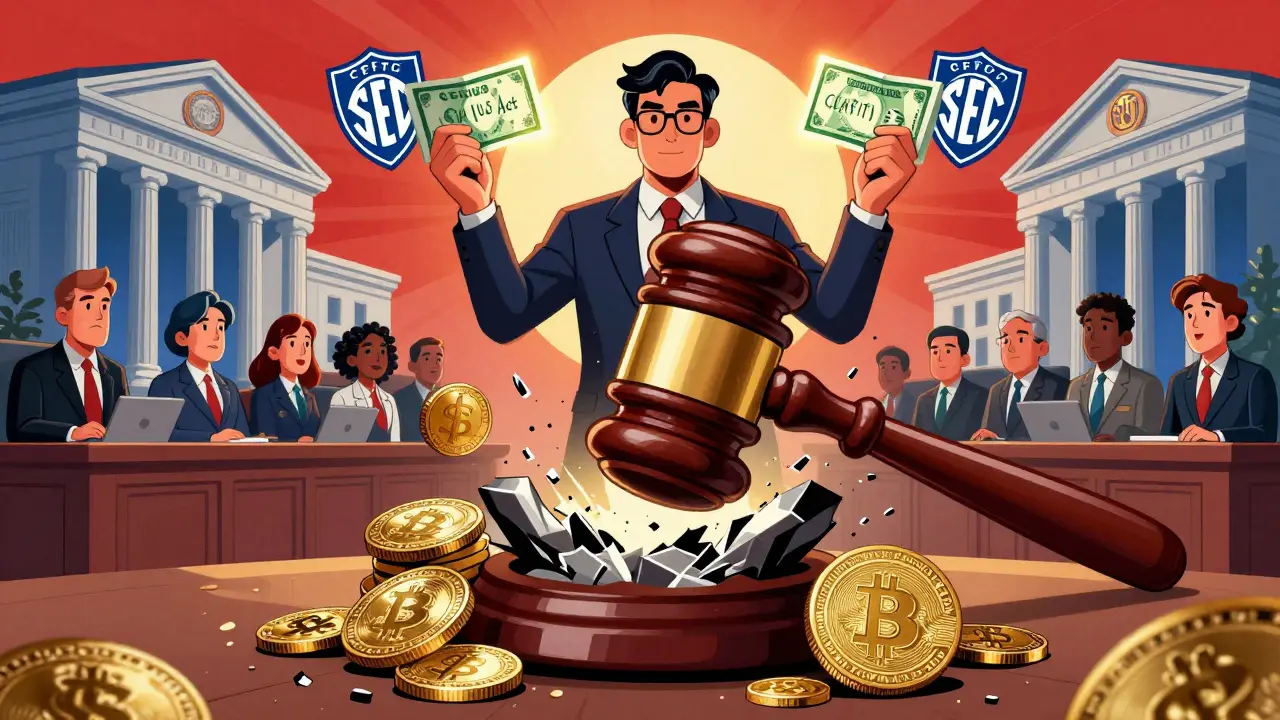
International Securities Laws for Crypto: What You Need to Know in 2026
- 8 Comments
- Jan, 6 2026
By 2026, international crypto securities laws have shifted from chaos to clarity. Learn how the U.S., EU, Asia, and others regulate crypto assets, stablecoins, and exchanges - and what it means for businesses and investors.
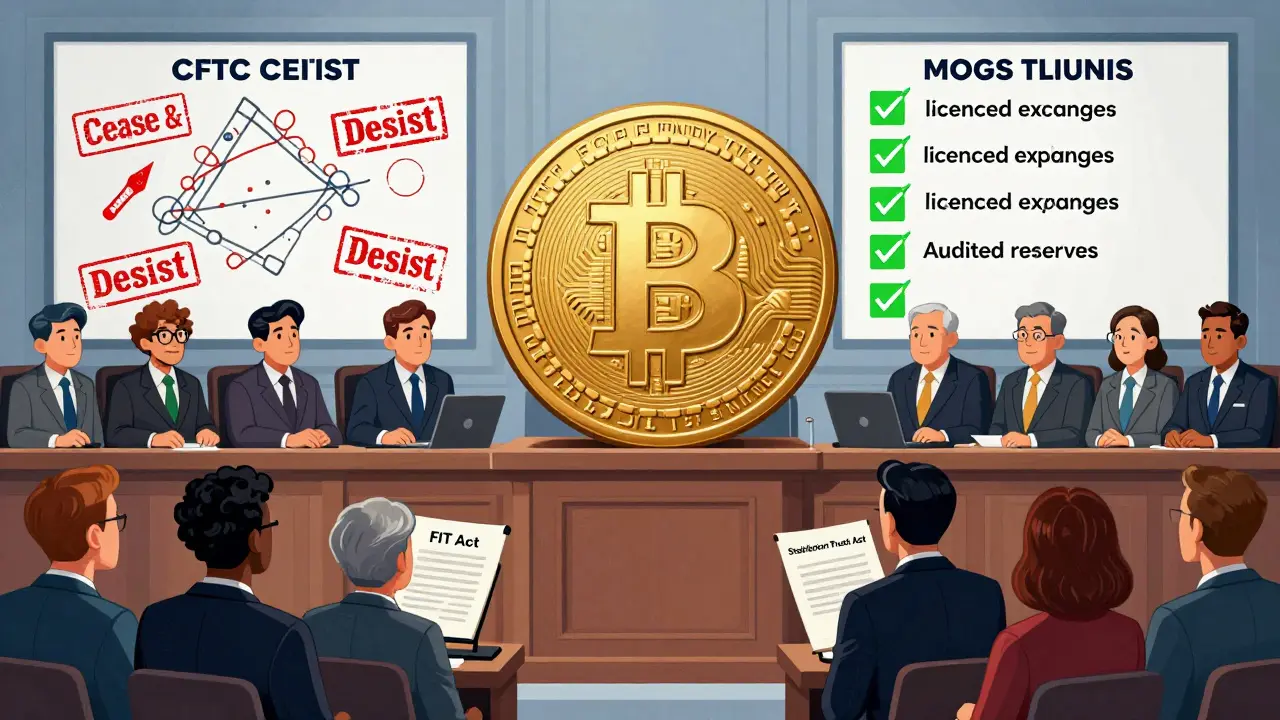
International Crypto Regulation Trends 2025: What’s Changing and Where It’s Headed
- 8 Comments
- Apr, 6 2025
In 2025, global crypto regulation is shifting from crackdowns to clear frameworks. The U.S. is building rules, Asia is creating hubs, and emerging markets are adopting crypto to drive financial inclusion.