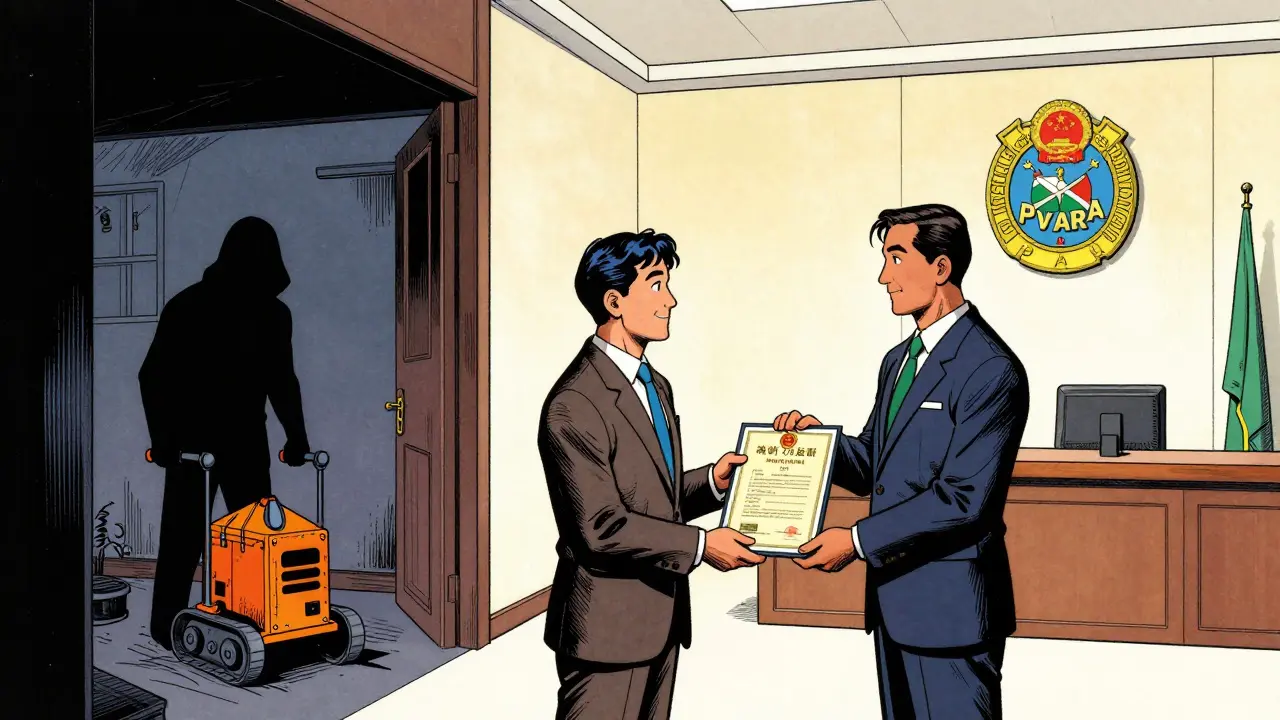
NFT Marketplace Verification: How to Spot Legit Platforms and Avoid Scams
When you buy or sell an NFT marketplace verification, the process of confirming that an NFT trading platform is legitimate, secure, and transparent. Also known as NFT platform validation, it’s not just a safety step—it’s your first line of defense against losing your crypto to fake sites, fake listings, or outright theft. Too many people skip this and end up with empty wallets. You don’t need to be a tech expert to protect yourself. You just need to know what to check.
Verified NFT marketplaces don’t just look professional—they prove they’re real. Look for public audits, clear team info, and active community support. Platforms that hide their developers or refuse to share smart contract details? Run. Real ones like OpenSea and Blur have public records of security checks, and they update their systems when flaws are found. If a site claims to be "the next big thing" but has zero third-party reviews, it’s probably just a trap. Scammers copy real interfaces, fake testimonials, and even mimic verified badges. They count on you moving fast, not checking.
NFT marketplace verification also means checking the assets themselves. A platform might be legit, but what if the NFTs listed are stolen or minted from someone else’s art? Always verify the original creator’s wallet and cross-check with the official project site. If the NFT’s metadata doesn’t match the project’s whitepaper or social media, it’s not authentic. And never trust a link sent in a DM—even if it looks like it’s from a verified account. Phishing is the most common way people lose NFTs.
You’ll also find that many scams hide behind low fees or "exclusive access". A platform offering 0% gas fees? Maybe. But if they ask you to connect your wallet before showing you anything, that’s a red flag. Legit sites let you browse listings without connecting. They don’t pressure you. They don’t countdown timers. And they never ask for your seed phrase—not even "for security". That’s a lie. No one who’s real will ever ask for that.
What you’ll see in the posts below are real cases: fake NFT marketplaces that looked perfect until users couldn’t withdraw, projects that vanished after collecting thousands in ETH, and platforms that passed verification checks but still had hidden risks. Some posts expose scams that tricked thousands. Others show you exactly how to check a platform’s blockchain history, audit reports, and social proof. You’ll learn how to spot a fake marketplace in under 60 seconds—and how to avoid becoming the next headline.
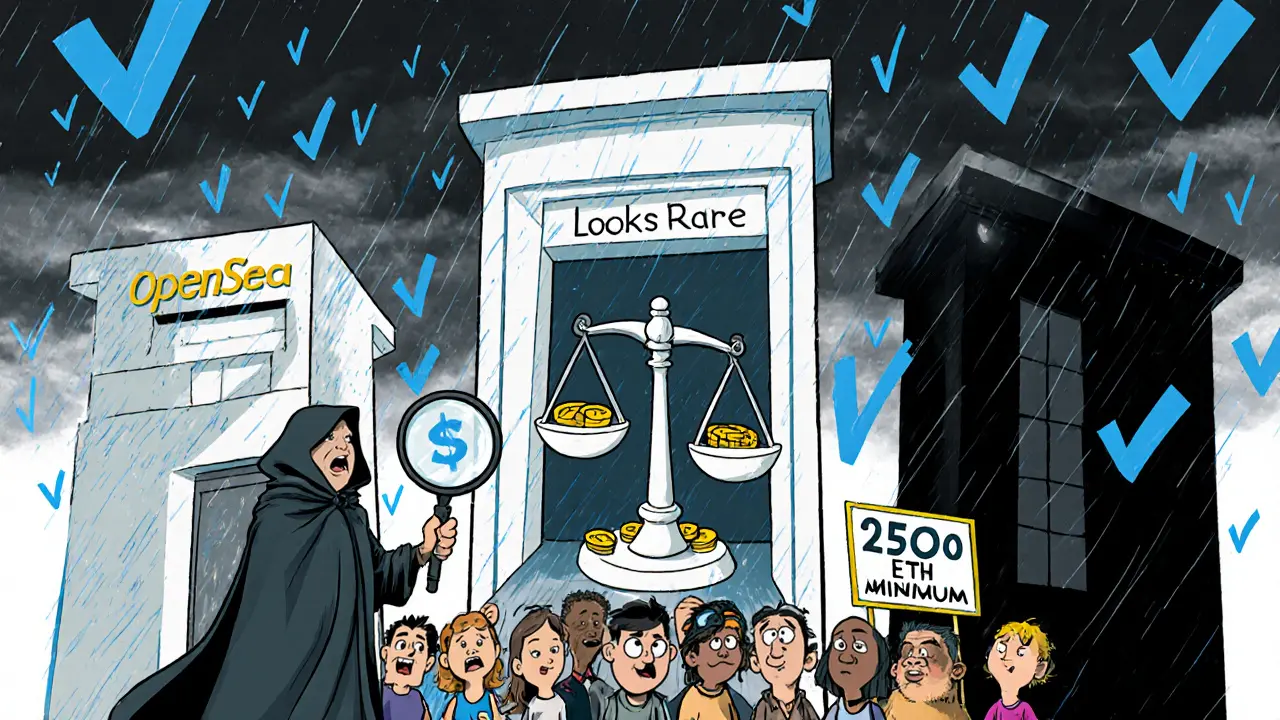
How NFT Marketplaces Verify Collections: Volume, Manual Review, and Technical Checks
- 8 Comments
- Jul, 12 2025
NFT marketplaces verify collections to prevent scams, using volume thresholds, manual reviews, and media signals. OpenSea is opaque, LooksRare demands trading volume, and future systems may use zero-knowledge proofs. Verification doesn't guarantee value - only legitimacy.