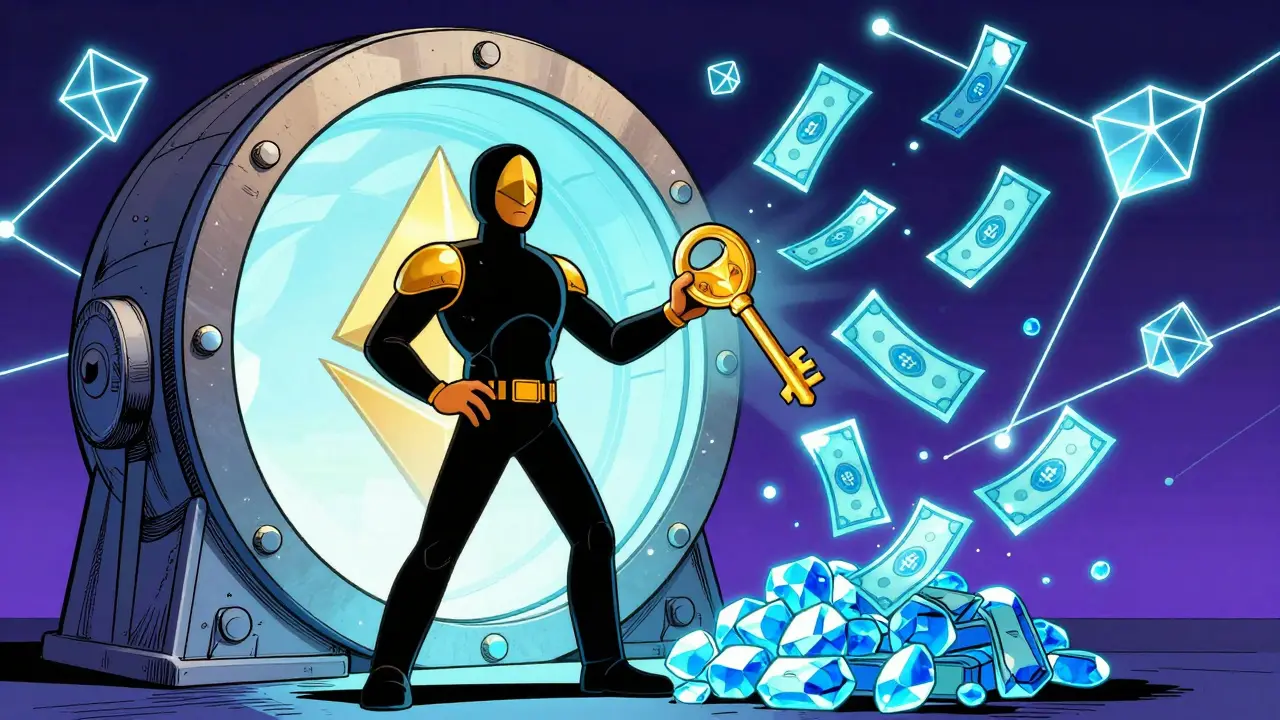
Optimistic Rollups: What They Are and Why They Matter in Crypto
When you hear Optimistic Rollups, a type of Layer 2 scaling solution designed to make blockchains like Ethereum faster and cheaper. Also known as optimistic scaling, it works by bundling hundreds of transactions off-chain and submitting just one summary to the main blockchain. This cuts down on congestion and slashes fees—something every crypto user cares about. Unlike other scaling methods, Optimistic Rollups don’t require you to trust a third party. Instead, they assume transactions are valid by default, and only check them if someone raises a dispute. That’s why they’re called "optimistic." It’s a smart trade-off: speed and low cost, with security still locked in by Ethereum’s main network.
Optimistic Rollups are a key part of the broader Ethereum scaling, the effort to solve Ethereum’s high fees and slow speeds without changing its core rules. They’re not the only solution—ZK-Rollups exist too—but they’re the most widely used right now. Projects like Arbitrum and Optimism run on Optimistic Rollups, and they handle billions in daily transactions. These systems let you swap tokens, lend crypto, or play games on Ethereum without paying $50 in gas fees. That’s huge. For everyday users, it means you can actually use DeFi without needing a small fortune. For developers, it means building apps that people will actually want to use.
The real power of Optimistic Rollups comes from how they connect to other parts of the crypto world. They rely on blockchain scalability, the ability of a network to handle more users and transactions without slowing down to make Ethereum viable at scale. They also tie into transaction fees, the cost of moving crypto on a network, which has been a major barrier for adoption. When fees drop, more people join. And when more people join, more projects get built. It’s a cycle that’s already happening. You’ll see this in the posts below—real examples of tokens, exchanges, and tools built on top of these systems. Some are legitimate, some are scams. But they all exist because Optimistic Rollups made it possible to build and experiment without drowning in costs.
What you’ll find here isn’t theory. It’s the messy, real-world outcome of this technology. You’ll see airdrops tied to Layer 2 networks, exchanges built on top of Optimistic Rollups, and even projects that failed because they didn’t understand the basics. Whether you’re new to crypto or you’ve been holding since 2021, understanding Optimistic Rollups helps you spot what’s real—and what’s just noise.
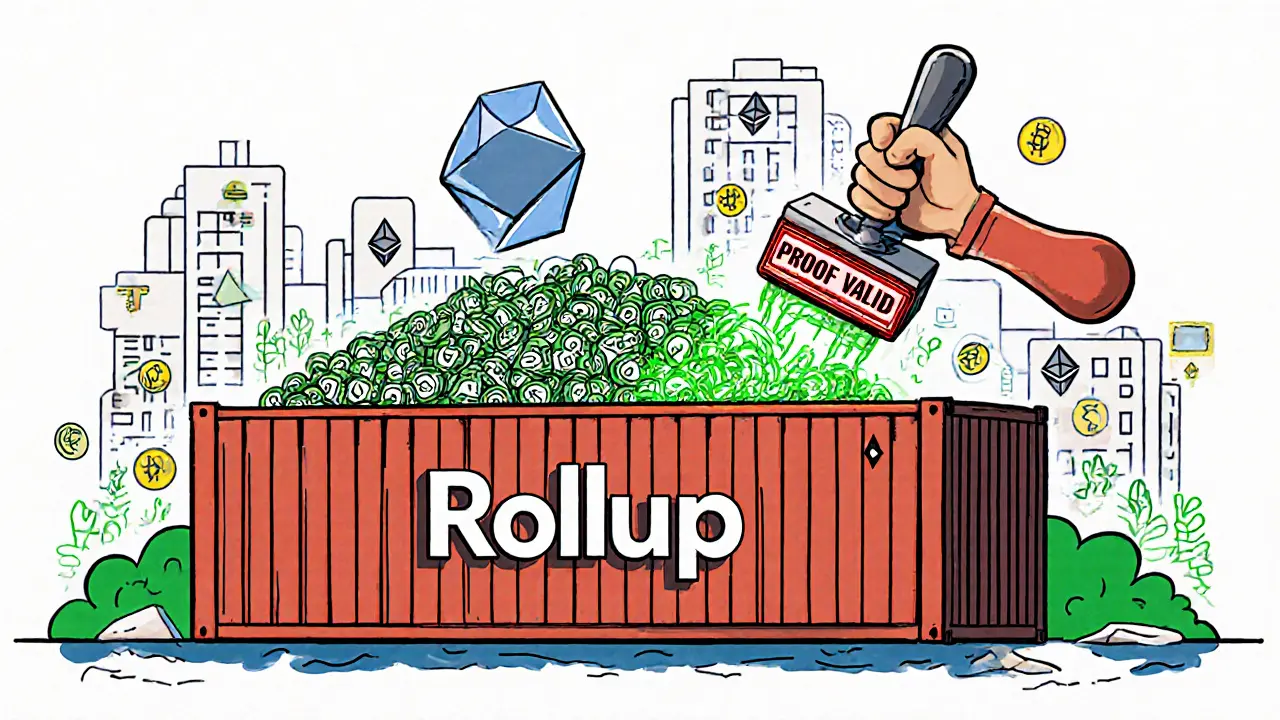
Future of Rollup Technology: How Layer-2 Scaling Will Shape Blockchain Adoption
- 8 Comments
- Oct, 29 2025
Rollup technology is solving blockchain's biggest problem: scalability. By batching transactions off-chain, ZK-rollups and Optimistic Rollups slash fees and boost speed while keeping security intact. Here's what's changing in 2025 and beyond.