Proof of Stake: How It Works, Why It Matters, and What You Need to Know
When you hear Proof of Stake, a consensus mechanism that lets cryptocurrency networks verify transactions using staked coins instead of energy-heavy mining. Also known as PoS, it’s the backbone of modern blockchains like Ethereum, Solana, and Cardano. Unlike old-school mining, where computers race to solve puzzles, Proof of Stake picks validators based on how much crypto they lock up. The more you stake, the higher your chance to be chosen—and earn rewards for keeping the network honest.
Proof of Stake isn’t just about saving electricity. It changes how you interact with crypto. If you hold ETH, ADA, or SOL, you’re not just a passive owner—you can actively earn by staking. That’s why platforms like Lido, Coinbase, and Kraken now offer staking services. It turns your idle coins into income. But it’s not risk-free. Slashing can happen if you pick a bad validator or your node goes offline. And if the network gets too centralized, with a few big players holding most of the stake, security weakens. That’s why many experts watch staking distribution closely—it’s a silent indicator of a blockchain’s health.
Proof of Stake also connects to other big crypto ideas. Staking, the act of locking up crypto to support a blockchain’s operations is the engine behind restaking, liquid staking, and even decentralized finance yields. Meanwhile, Ethereum, the world’s second-largest blockchain that switched from mining to Proof of Stake in 2022 proved it could scale without sacrificing security. That shift cut Ethereum’s energy use by 99.95%—a milestone no other major network had achieved.
What you’ll find here isn’t theory. These posts show you real cases: how staking works on Algorand, why some exchanges offer it, and how users in Nigeria and Venezuela use crypto even when governments try to block it. Some posts warn you about fake airdrops pretending to be PoS rewards. Others break down how exchange inflows and outflows signal whether people are staking more—or cashing out. You’ll see what happens when a project claims to use Proof of Stake but has no real staking mechanism. And you’ll learn why a dead token like Quotient (XQN) or PKG can’t be staked—because there’s no network left to validate.
Proof of Stake isn’t magic. It’s a tool. And like any tool, it works best when you understand how it’s built—and who’s holding the handle.

Locked vs Flexible Staking Options: Which One Fits Your Crypto Strategy?
- 6 Comments
- Jan, 31 2026
Learn how locked and flexible staking work, their rewards, risks, and which one suits your crypto strategy. Compare platforms like Binance, Kraken, and Lido to make the best choice.
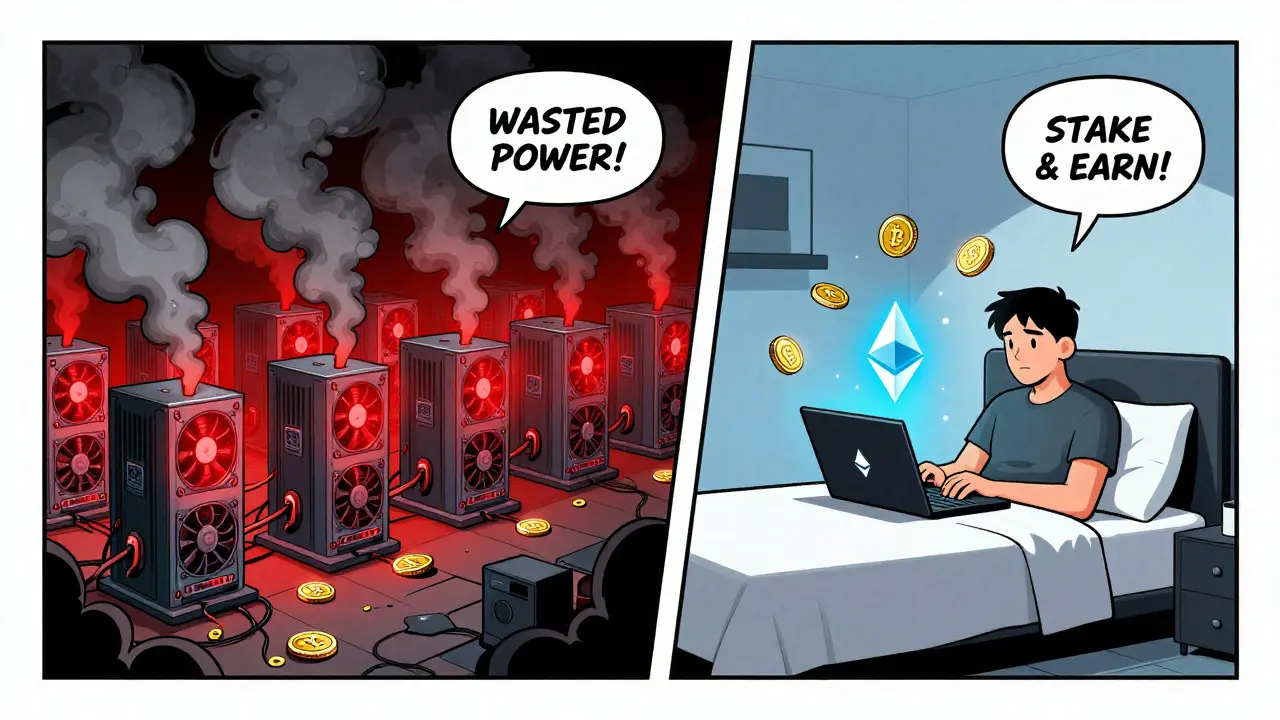
How Staking Replaces Mining in Proof of Stake Blockchains
- 10 Comments
- Jan, 10 2026
Staking replaces mining in Proof of Stake blockchains by letting users secure networks with their crypto holdings instead of energy-hungry hardware. Ethereum’s switch proved it works at scale - cleaner, cheaper, and more democratic.
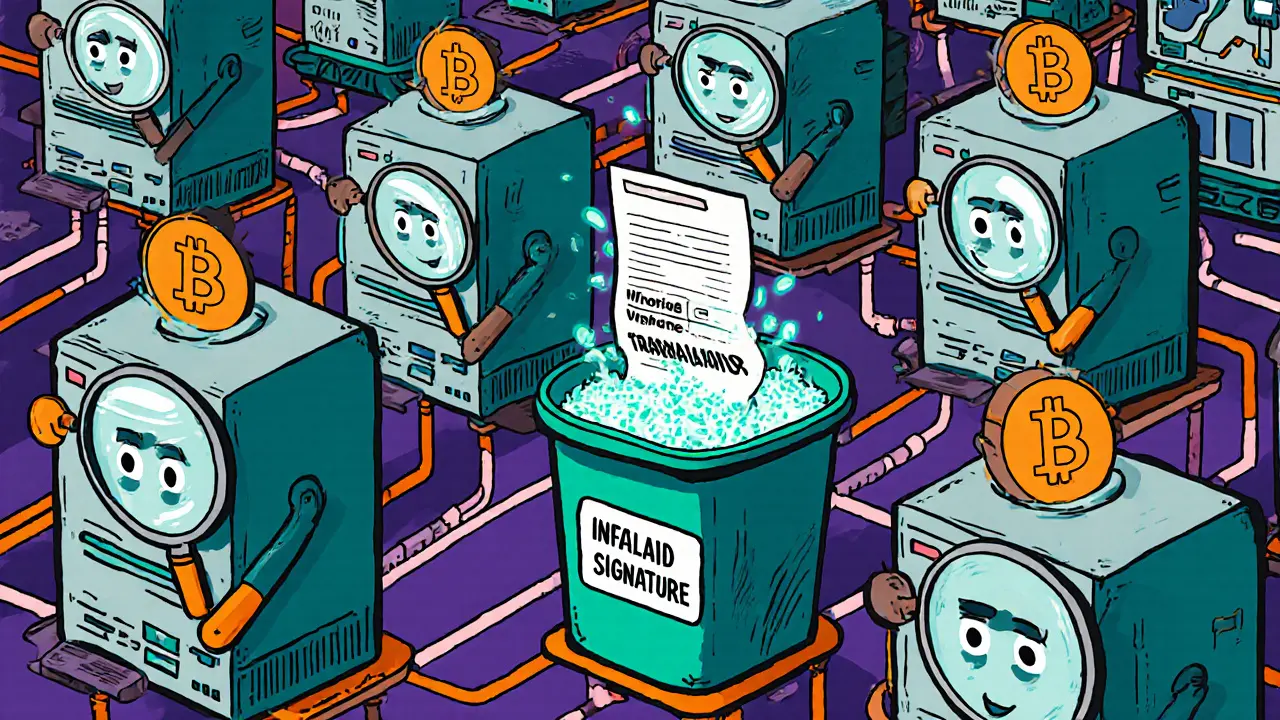
How Block Validation Works in Blockchain Networks: PoW, PoS, and Beyond
- 7 Comments
- Dec, 7 2024
Block validation keeps blockchain networks secure by verifying transactions without central authority. Learn how Proof of Work and Proof of Stake work, their trade-offs, real-world risks, and what's next for consensus mechanisms.