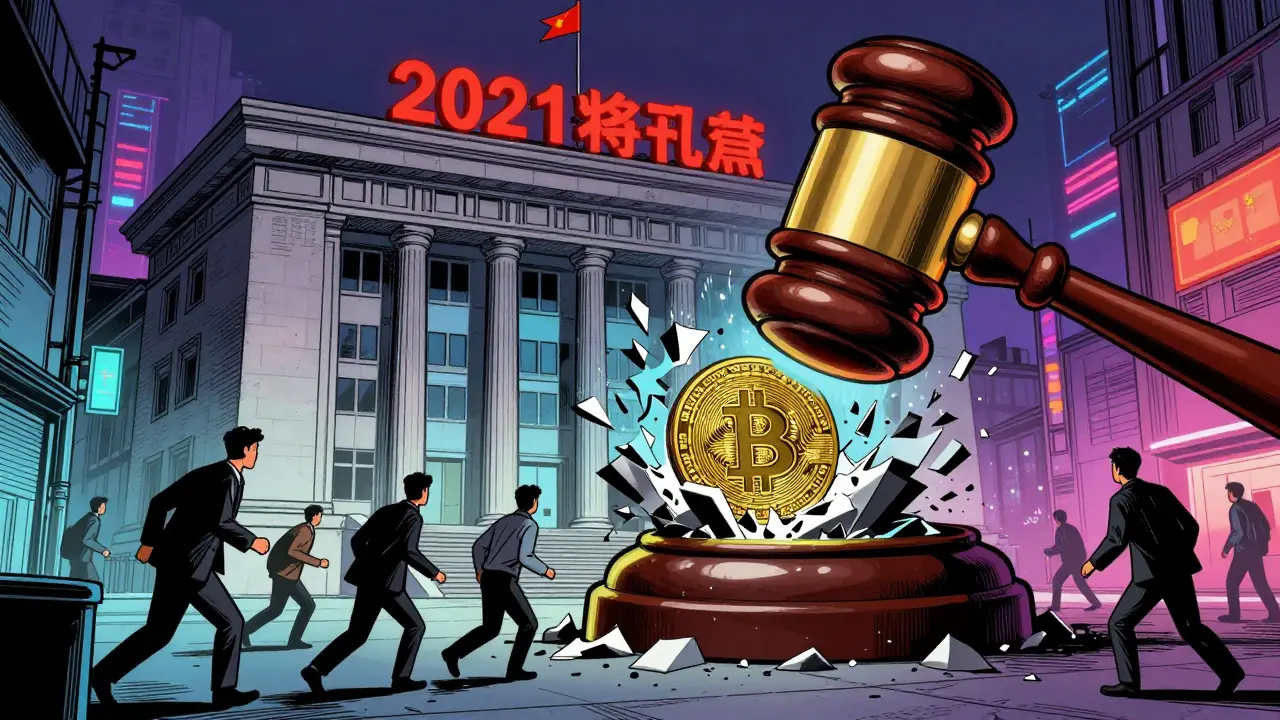
Venezuela Crypto Regulations: What's Allowed, Blocked, and How People Are Surviving
When the Venezuelan government tried to force citizens to use its own digital currency—the Petro, a state-backed cryptocurrency launched in 2018 to bypass U.S. sanctions—people didn’t buy it. Not because they didn’t need money, but because they knew the Petro was a political tool, not real money. Meanwhile, Bitcoin, a decentralized digital currency that operates without government control became the real lifeline. Venezuelans use Bitcoin and stablecoins like USDT to buy food, pay rent, and send money home. The state bans crypto exchanges, but the people keep trading anyway.
Here’s the twist: Venezuela’s crypto regulations, a mix of outright bans, forced adoption, and contradictory enforcement don’t reflect what’s happening in real life. The government claims to regulate digital assets, but it doesn’t have the power to stop them. While officials push the Petro as a national solution, millions use Telegram groups, peer-to-peer apps, and local traders to move value. Cryptocurrency adoption in Venezuela, driven by hyperinflation and broken banking isn’t a trend—it’s survival. People aren’t investing in crypto. They’re using it to keep their families fed.
What you won’t hear from state media: Venezuelans trade crypto through WhatsApp, pay for groceries with USDT, and earn income by mining Bitcoin on old laptops. They avoid licensed exchanges because none are trustworthy. The few that tried to operate under government rules got shut down or became scams. This isn’t about freedom or tech—it’s about having a way to store value when your currency loses half its worth in a week. The Venezuela crypto regulations are a facade. The real story is written in transaction logs, not laws.
Below, you’ll find real stories, broken promises, and the quiet revolution happening in homes across Caracas, Maracaibo, and Valencia. No grand speeches. No official reports. Just what people are doing to get by—and how crypto made it possible.
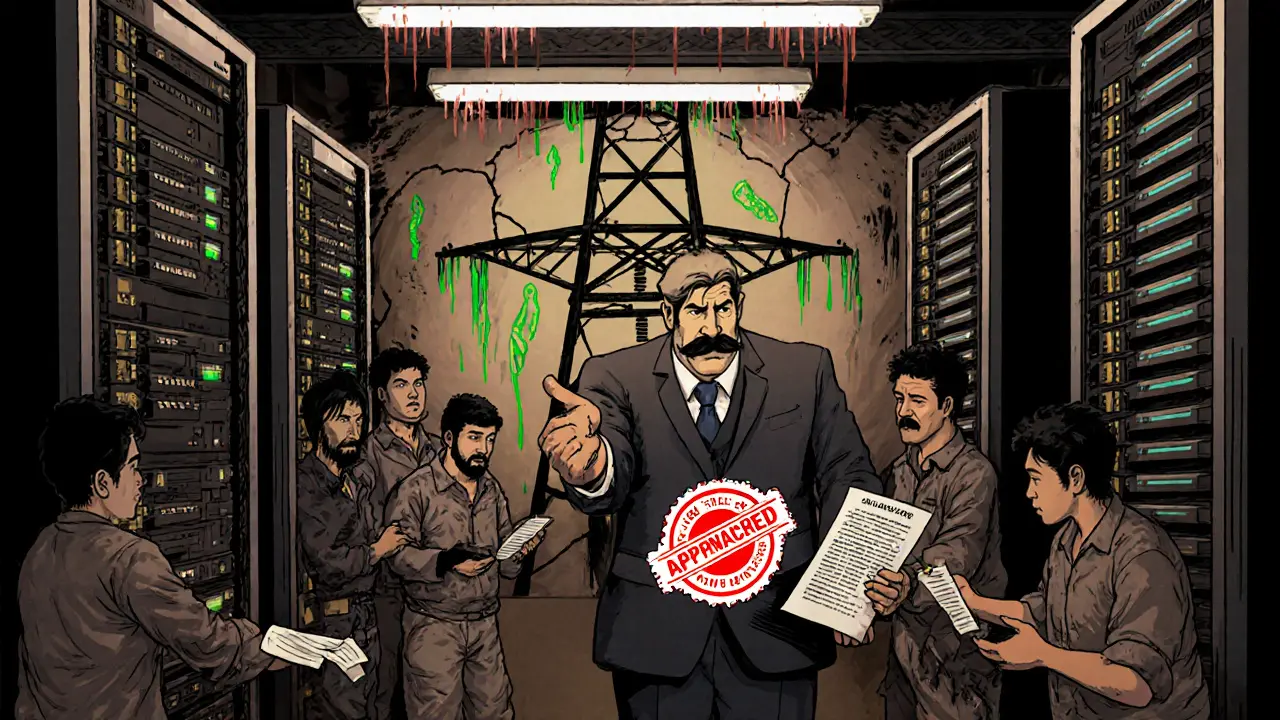
State Control of Crypto Mining in Venezuela: How the Government Manages and Limits Digital Mining
- 6 Comments
- Feb, 24 2025
Venezuela's state-controlled crypto mining system uses cheap electricity and strict regulations to manage digital mining - but corruption, power outages, and public distrust have made it chaotic. Despite bans and bureaucracy, mining continues underground.