AI NFTs: What They Are, How They Work, and Why They Matter
When you hear AI NFTs, non-fungible tokens powered by artificial intelligence to generate, modify, or interact with digital assets. Also known as smart NFTs, they’re not just static images—they’re dynamic, sometimes self-updating, and often respond to data or user input. Unlike regular NFTs that sit on the blockchain as fixed files, AI NFTs use machine learning models to create new versions, change traits based on market trends, or even hold conversations through integrated chatbots. This isn’t sci-fi—it’s happening now, and some of these projects are already trading hands.
Behind most AI NFTs is a generative AI model, a system trained on thousands of images or data points to produce unique outputs. Think of it like a digital artist that never sleeps, remixing styles, colors, and patterns on demand. These models run on platforms like Stable Diffusion or DALL·E, but instead of just making art for fun, they’re locked into smart contracts. That means every time someone interacts with the NFT—like voting on a trait change or triggering an update—the AI generates a new version and records it on-chain. Then there’s the on-chain AI, a version of artificial intelligence that runs directly on the blockchain, not in a central server. These are rare, but they’re the future: no middlemen, no downtime, no shutdowns. Projects that use this tech can survive even if the original team vanishes.
But here’s the catch: most AI NFTs today are just marketing buzz. You’ll see plenty of collections claiming to be "AI-powered," but they’re just static images with a fancy label. Real AI NFTs have behavior—they evolve, they learn, they react. Some let owners train the AI with their own images. Others auto-update based on crypto prices or social trends. A few even pay royalties to holders when the AI generates new NFTs that sell. The ones worth paying attention to have open-source models, transparent training data, and active communities. If a project won’t tell you how the AI works, or hides its code, walk away.
What you’ll find in this collection isn’t hype. It’s real analysis of what’s working, what’s dead, and what’s just pretending to be smart. You’ll see breakdowns of actual AI NFT projects, warnings about fake ones, and clear explanations of how the tech behind them changes the game. No fluff. No vague promises. Just what’s real, what’s risky, and what’s worth your time in 2025.
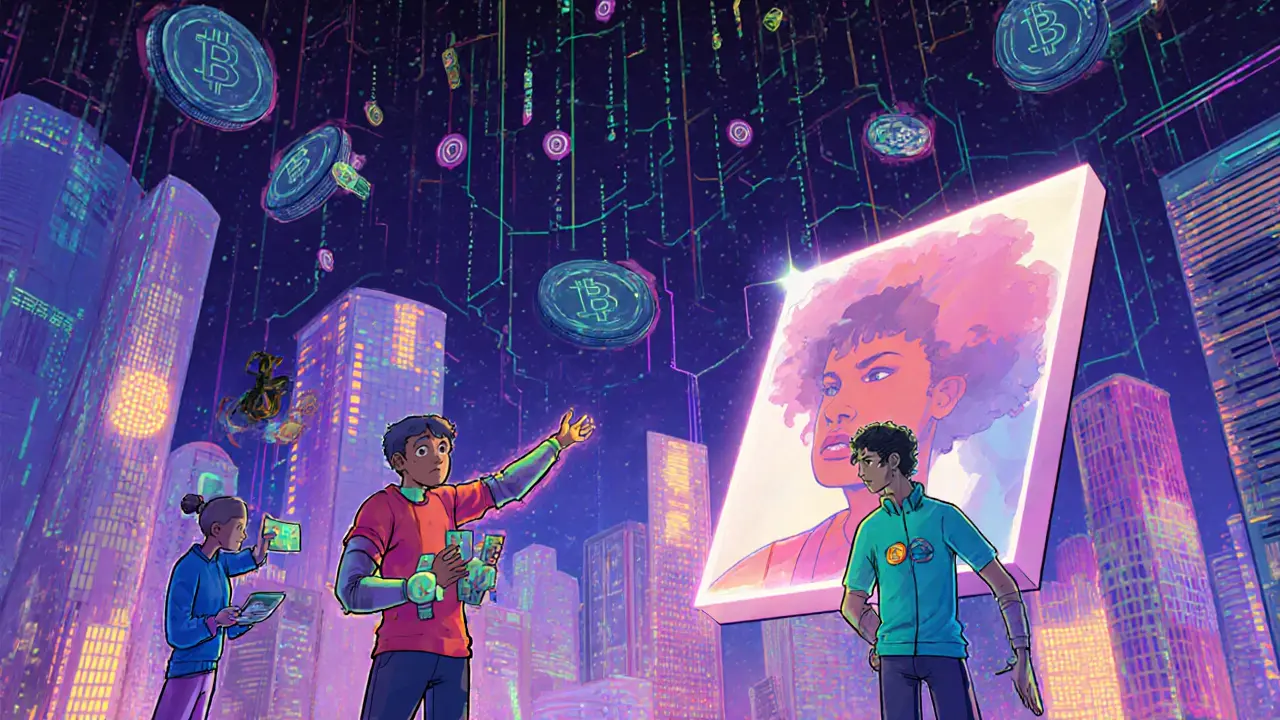
Future of NFT Marketplace Technology: AI, DeFi, and Real-World Assets in 2025
- 9 Comments
- Jul, 2 2025
By 2025, NFT marketplaces have moved beyond collectibles to become AI-powered, DeFi-integrated platforms for trading digital assets, real-world property, and functional gaming items-with smart contracts and multi-chain support driving the evolution.