Supply Chain Transparency in Crypto: How Blockchain Is Changing Tracking and Trust
When we talk about supply chain transparency, the ability to track every step of a product’s journey from origin to consumer using open, verifiable records. Also known as blockchain traceability, it’s no longer just a buzzword—it’s a practical tool reshaping how goods, tokens, and even digital assets are verified. In traditional systems, tracking a shipment means paper logs, third-party audits, and guesswork. But with blockchain, every movement is recorded on a public ledger that can’t be altered. This isn’t theory—it’s being used right now to prove coffee beans came from a fair-trade farm, that diamonds aren’t conflict-sourced, and that crypto tokens weren’t minted fraudulently.
One of the biggest shifts is how blockchain traceability, the use of immutable ledgers to record and verify transactions across a supply chain is being applied to crypto itself. Projects like those tracking tokenized assets or verifying the origin of mined minerals now use blockchain to show exactly where a token came from. For example, if a crypto exchange claims its Bitcoin was mined using renewable energy, blockchain data can prove it—or expose the lie. This level of detail matters because users are tired of empty promises. They want proof. And with tools like on-chain analytics and smart contracts, that proof is now automated and public.
tokenized logistics, the process of representing physical goods or assets as digital tokens on a blockchain to enable real-time tracking and ownership verification is another piece of this puzzle. Imagine a shipment of electronics moving from China to the U.S. Each box gets a unique token linked to its GPS, temperature, and customs status. Anyone with access can see if it was delayed, tampered with, or rerouted. This isn’t sci-fi—it’s already happening in pilot programs with major logistics firms. And in crypto, similar logic applies: when a token is issued, its history—creator, mint date, wallet transfers—is permanently recorded. That’s why posts here dig into exchanges like BitStorage and DubiEx that lack transparency: if you can’t trace where tokens come from or who controls them, you’re playing with fire.
What you’ll find in this collection isn’t just news—it’s a real-world look at who’s getting it right and who’s hiding behind vague claims. From Venezuela’s state-controlled mining to Nigeria’s crypto-driven economy, supply chain transparency isn’t about tech alone—it’s about trust, accountability, and survival. You’ll see how airdrops like TRO and SUNI raise red flags because they offer no verifiable origin. You’ll learn why projects like CAD Coin and PoolTogether gain trust by being open about backing and rules. And you’ll understand why exchange reviews focus so hard on security audits and user history: if the supply chain of a crypto platform is opaque, your funds are at risk.
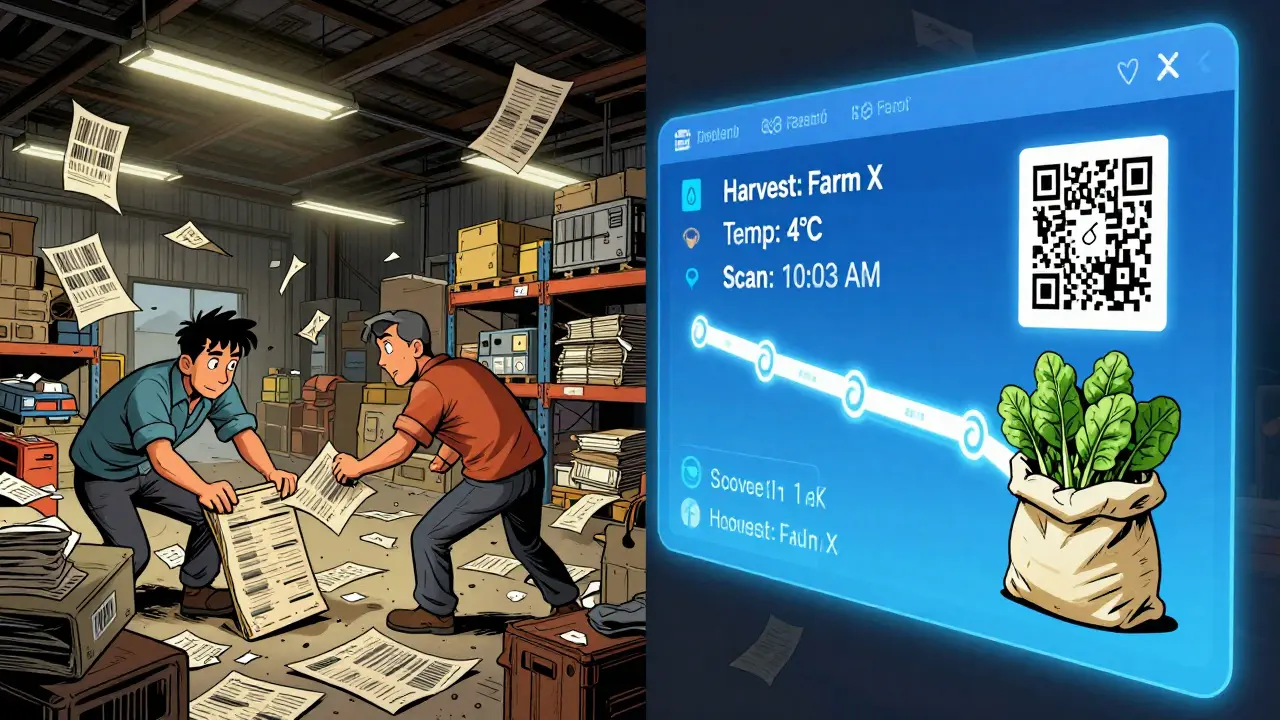
Food Safety Traceability with Blockchain: How It Works and Why It Matters
Blockchain food traceability lets retailers and consumers track food from farm to table in seconds, not weeks. Used by Walmart, IBM, and others, it stops outbreaks faster, reduces waste, and builds trust.
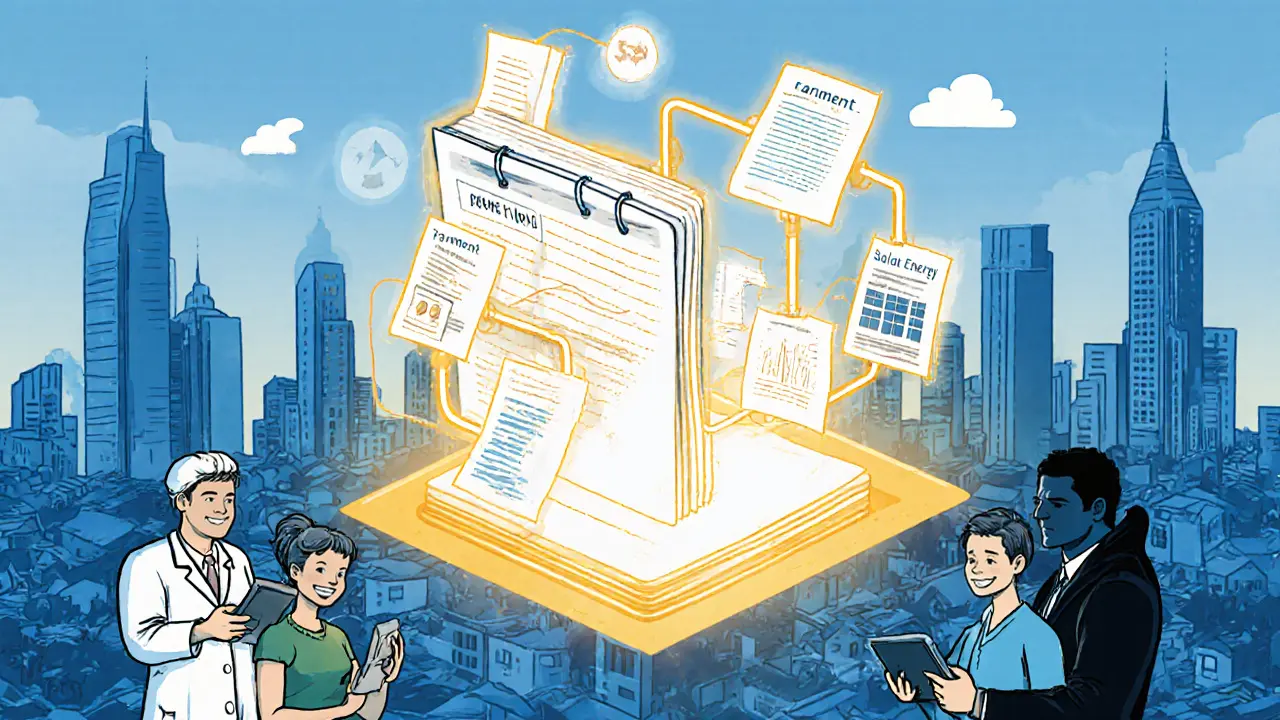
How Blockchain Technology is Revolutionizing Industries
- 6 Comments
- Jun, 28 2025
Blockchain is transforming finance, healthcare, supply chains, and energy by making systems transparent, secure, and automated. No middlemen. No fraud. Just trust built into code.